Simon sells his soul to the Twin
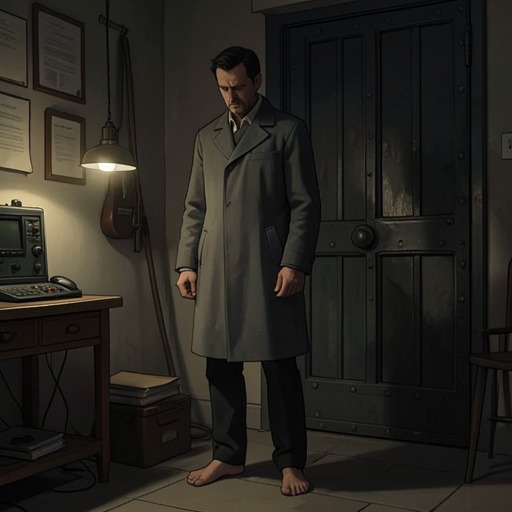
The SonSimon Kefas’s deal with the Twin is the turning point that draws him into the criminal network he later helps investigate: facing ruin after gambling away his money, Simon offers the Twin what he believes is his remaining asset, his soul. The bargain does not remain his alone. Simon brings Ab Lofthus into it, and the arrangement binds the two policemen to a criminal enterprise while placing their families and careers at risk.
The hidden network
For years, rumors circulated within the police that a mole was leaking information to the person directing much of Oslo’s drug and sex trafficking. The rumors remained unproved, and Simon recalls that no evidence had established either the mole or the supposed criminal leader. The name police used for that figure was the Twin.
The arrangement’s secrecy depended on withholding identities as well as information. Simon was among the few people who knew who the Twin was and how to contact him, but the Twin did not know who Simon and Ab were. Messages passed by telephone or letter and later by computer, separating the criminal leader from the police officers supplying information.
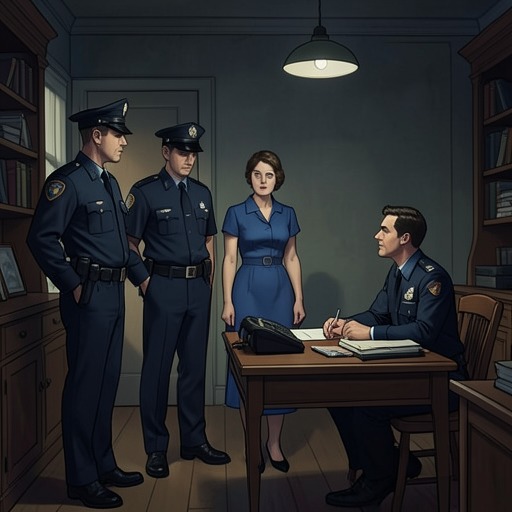
Ab’s diary reveals the further concealment that made the network difficult to detect: its two police moles could each provide the other with an alibi. At the station, officers looked for one traitor; the diary explains that the partnership of two corrupt officers allowed each to evade suspicion when the other was active. Their work included turning a blind eye to drug dealing, human trafficking, and murder.
Simon’s bargain and Ab’s recruitment
Simon’s decision followed a personal and financial collapse. He had been involved with Helene, but his gambling debts made their life chaotic. He believed he was dragging her down, and when Ab came into her life, Simon was heartbroken. After learning that Helene was pregnant, he gambled more recklessly, lost everything, and reached the brink of ruin. He then sought out the Twin and offered the only thing he believed he had left: his soul.
The bargain was not simply an exchange of information for money or influence. Simon later understood his participation as a form of self-harm: he believed that shame, degradation, and self-loathing numbed his other pain. His account presents the deal as both a practical surrender to criminal power and a way of deepening his own misery.
Simon then approached Ab, who was struggling with Helene to keep their home amid heavy debts and rising interest rates during the banking crisis. Ab initially refused and threatened to report Simon to their superior. Simon overcame that resistance by invoking Ab’s son, arguing that the child would suffer for his father’s pride and grow up poor. Ab accepted, and Simon later described the experience as watching his friend lose his moral ground. The shared corruption made Simon feel less alone, even as it made Ab a victim of the choice Simon had brought to him.
The criminal arrangement in practice
The network’s reach extended beyond the two police officers. In one account of its operations, Hugo Nestor explains that he arranged for Yngve Morsand to take the blame for his wife’s murder while Morsand intended to kill her himself. The plan was coordinated with Arild Franck: Sonny’s day release and location were arranged, and a corrupt prison officer was used to facilitate the scheme. The episode shows how the Twin’s criminal world could join police corruption, prison access, and the manufacture of a scapegoat.
The Twin’s influence also reached legitimate business. Simon tells Iver Iversen that Iversen Property did business with the Twin, laundering proceeds from drugs and trafficking in return for fictitious losses that provided tax advantages worth hundreds of millions of kroner. Iversen denies knowing the Twin, but Simon says he has evidence of their collaboration. The deal therefore belongs to a broader system in which police information, criminal operations, and commercial money flows reinforce one another.
Simon’s own account of the police mole points to the network’s central contradiction: he and Ab had betrayed the institutions and principles they served, yet Simon still wondered whether confession, penitence, and forgiveness were possible. He also feared that getting out would damage everyone around him. His diary records that he decided he had to leave, while showing that the Twin was trying to advance him within the police so that he could gain a senior position and become more useful.
Exposure and significance
The truth about Simon’s bargain emerges through accounts of his past and Ab’s diary rather than through the police’s early rumors. The contrast matters: investigators imagined a single mole, while the diary discloses a paired operation whose structure concealed the participants. The Twin’s identity and Simon’s access to him were known to very few, and the anonymous channels preserved that separation even as the network sought greater institutional influence.
Simon’s deal also reshapes his relationship with Ab. He resents Ab for taking the person he loved, but his recruitment of Ab turns that private hurt into an act with lasting moral consequences. By using Ab’s concern for his son to overcome his refusal, Simon transfers the cost of his own bargain to his friend and family. His later sense of guilt is tied not only to his own corruption but to having drawn Ab into it.
The episode gives the phrase “sold his soul” a concrete narrative meaning: Simon trades the authority and trust attached to his police position for the Twin’s criminal purposes, then tries to bring his closest friend into the same compromise. The arrangement offers a temporary answer to financial and emotional desperation, but it deepens both men’s entanglement and helps sustain a criminal system that reaches from police stations and prisons into trafficking and business.